One day Henny Penny was minding her own business out in her yard gardening. Now, Henny Penny wasn't the brightest young hen in the village, but she had a good heart. While she was clucking to herself and planting new flowers for spring she felt something smack her in the head. She looked up towards the sky in amazement. Oh, no! She thought. The sky must be falling! Alarmed she immediately ran to go tell the King.
She ran so quickly she ran right into Cocky-locky. "Oh I'm sorry, Cocky-locky! I was just running to tell the King that the sky is falling," Henny Penny said. Cocky-locky became alarmed. "May I come with you?" he asked, "Of course!" Henny Penny replied. So the two of them set off to warn the King.
Not long after they set off they ran into Ducky-daddles. "Where are you doing so fast?" Ducky-daddles asked. "We are going to warn the King that the sky is falling!" replied Cocky-locky. "Oh, is it okay if I come with you as well? I would like to help," Ducky-daddles said. Cocky-locky and Henny Penny nodded and so Ducky-daddles followed them.
As they went along they ran into Turkey-lurkey. "Where are all of you going?" Turkey-lurkey asked. He was curious and bored. "We are going to tell the King that the sky is falling! Would you like to come with?" Ducky-daddles asked. "Why yes, I would love to!" Turkey-lurkey replied.
They went along and came upon Goosey-poosey. Goose-poosey asked them where they were going and asked to join. So together, Henny Penny, Cocky-locky, Ducky-daddles, Turkey-lurkey and Goosey-poosey set off to find the King.
Eventually they came upon Foxy-woxy. "Where is everyone going?" Foxy-loxy asked. "Well, we are going to find the King to tell him that the sky is falling," Henny Penny replied. Seeing his chance, Foxy-loxy created a plan to trick them all.
"But this is the wrong way to the King!" Foxy-loxy exclaimed, "Here, let me show you a shortcut." Foxy-loxy started in the direction of his cave. It was dark and narrow, with only room for one animal at a time to enter. "I will go first and then you can follow one by one," Foxy-loxy said.
Henny Penny
Feeling suspicious, Turkey-lurkey thought for a moment. I hope this isn't a trap… Foxy-loxy is known to be a trickster. Then he had an idea. Using a rope he died his ankle to Ducky-daddles' then to Goose-poosey's then to Cocky-locky's and finally to Henny Penny's.
"This way," he whispered, "If Foxy-loxy tries to pull anything I can pull my ankle and you can pull me out. We are all in this together." Everyone else nodded as Turkey-lurkey ventured into the cave.
Just as they suspected, when Turkey-lurkey had gotten safely inside, Foxy-loxy tried to take a bite of him. Turkey-lurkey goobled loudly and the rest took his cue. Using their combined strength they pulled Turkey-lurkey out of the cave safely and ran away before Foxy-loxy could figure out what happened.
(Source by John D. Batten)
Author's Note. I kept most of this story the same as the original, except for the ending. In the original ending Foxy-loxy gets to eat all of the animals except Henny Penny. I didn't like that ending very much, so I thought I would have the animals be more resourceful and clever. The fox has tricked almost all the animals in the stories I read so I thought it would be better if the animals could get back at him.
Bibliography. Henny Penny in English Fairytales Unit by Joseph Jacobs (1890).
Showing posts with label Storytelling. Show all posts
Saturday, November 8, 2014
Friday, October 31, 2014
Week Twelve: Storytelling
Tom had always lived in his brother's shadow. Being the second born cat to a king and queen cat, Tom was always compared to his brother Tim. Tim was the older, bigger cat. He was in line to become king soon and everyone loved him. First in school, athletic and popular, Tim was the perfect child. Their parents fawned over Tim, destined to take the cat crown and carry on their father's legacy.
Tommy on the other hand was the opposite. Not a bad cat, but not as perfectly rounded as Tim. Tom loved his brother, obviously, but was secretly very jealous of all his status and position. When their father died, Tim became King of all the Cats. And Tom was still nothing. Bitter and jealous, Tom ran away a week later. He found a nice home in the woods and a older couple to take care of him. He caught mice in their barn and napped on their rug by the fire. At his nice home he was no longer "Tim's kid brother," here he was a beloved part of the family.
He spent many years with the older couple. During this time he never went back to his home or checked on his family members. Sometimes he'd hear some news: Tim got married, visited a neighboring cat society, blah blah. Tom never told any cats he met that he was Tim's brother. He didn't want to be in Tim's shadow any more.
One day, as Tom was falling asleep on the warm rug after having a delicious can of Fancy Feast and a dish of milk, his owner barged in. He was sweaty like he had just gone for a run and was frantically yelling Tom's name. Why is he calling for me? Tommy wondered. He doesn't know my real name.
The older woman calmed her husband and asked him what in the world was going on. As Tommy's master retold the story, Tommy was in shock. Apparently, his master was at a graveyard and had witnessed a traditional cat death processional. Nine black cats with white spots on their chests, like Tommy, were carrying a cat coffin to a new grave. They came and stared at the old man and then one stepped forward and told him to tell Tommy that Tim is dead.
By the time his master had gotten through the story, Tommy knew what it meant. He kept meowing as he got more and more excited. Tim had gotten married but he had never had kittens. That meant that Tommy was now the King of the Cats! He could barely believe it! He meowed loudly and then rushed out the door, never looking back.
Author's Note. This story is based off of The King o' The Cats. I kept most of the original plot line and the same story theme. The only thing I changed was the point of view. The original was told from a third person point of view, focusing on the human couple. The husband walks in and retells the story and when he finishes their cat, Tommy, runs away saying he will be king. I took that idea but told the story from the cat's point of view. I thought it would make an interesting twist.
Bibliography. The King o' The Cats by John D. Batten (1894) English Fairytales Unit (2). Picture Source.
Tommy on the other hand was the opposite. Not a bad cat, but not as perfectly rounded as Tim. Tom loved his brother, obviously, but was secretly very jealous of all his status and position. When their father died, Tim became King of all the Cats. And Tom was still nothing. Bitter and jealous, Tom ran away a week later. He found a nice home in the woods and a older couple to take care of him. He caught mice in their barn and napped on their rug by the fire. At his nice home he was no longer "Tim's kid brother," here he was a beloved part of the family.
He spent many years with the older couple. During this time he never went back to his home or checked on his family members. Sometimes he'd hear some news: Tim got married, visited a neighboring cat society, blah blah. Tom never told any cats he met that he was Tim's brother. He didn't want to be in Tim's shadow any more.
One day, as Tom was falling asleep on the warm rug after having a delicious can of Fancy Feast and a dish of milk, his owner barged in. He was sweaty like he had just gone for a run and was frantically yelling Tom's name. Why is he calling for me? Tommy wondered. He doesn't know my real name.
The older woman calmed her husband and asked him what in the world was going on. As Tommy's master retold the story, Tommy was in shock. Apparently, his master was at a graveyard and had witnessed a traditional cat death processional. Nine black cats with white spots on their chests, like Tommy, were carrying a cat coffin to a new grave. They came and stared at the old man and then one stepped forward and told him to tell Tommy that Tim is dead.
By the time his master had gotten through the story, Tommy knew what it meant. He kept meowing as he got more and more excited. Tim had gotten married but he had never had kittens. That meant that Tommy was now the King of the Cats! He could barely believe it! He meowed loudly and then rushed out the door, never looking back.
Author's Note. This story is based off of The King o' The Cats. I kept most of the original plot line and the same story theme. The only thing I changed was the point of view. The original was told from a third person point of view, focusing on the human couple. The husband walks in and retells the story and when he finishes their cat, Tommy, runs away saying he will be king. I took that idea but told the story from the cat's point of view. I thought it would make an interesting twist.
Bibliography. The King o' The Cats by John D. Batten (1894) English Fairytales Unit (2). Picture Source.
Saturday, October 25, 2014
Week Eleven: Storytelling
Amanda was 17 and bored. It was the summer after her junior year in high school and while all her friends were camp counselors or snow cone operators she had no job and no plans. Her parents spent their days at work and she sat by the pool in the backyard imagining her day away. All she wanted was some excitement and adventure. She wanted something different and new.
One day, after hours by herself, she thought she was half dreaming when she thought she saw a cat scamper across her yard. Now this was no ordinary cat. He looked like he was wearing a long yellow coat, complete with gold buttons and a red collar. He was hurrying through the yard, his tail moving high above grass. Squinting and looking closely at him, Amanda swore that she saw him check a pocket watch from his coat. But in a flash he disappeared through a hole in the ground and he was gone.
Curious, Amanda stood up and inspected where the cat had disappeared. She bent over and stuck her head near the hole in the ground, peering into the darkness. Then she fell over, tumbling into the hole and into a large tunnel that seemed to never end. It was dark and long and Amanda fell further and further. She wondered where in the world she was going and how she got there. There is a tunnel beneath my backyard? Maybe it's sewage? Oh that would be gross… She thought to herself as the tunnel kept going.
Finally she fell with a heavy thump on the ground of a dark room. Around her were several doors of all shapes, sizes and colors. She stood up, brushed herself off and tried all the doors. To her disappointment they were all locked. Even more confused, she looked again to the center of the room only to see a glass table (which she was sure hadn't been there before). She carefully walked to the table and found a large golden key. She excitedly tried the key on every door in the room but found it didn't fit any of the key holes. Hmmm… She thought. How interesting. Then she noticed a curtain near one of the doors and beneath it another door, much smaller than the rest.
The door was blue and about a foot and a half high. Bending over she found that the key fit into the door perfectly. She slowly opened the door and inside it, to her delight, was a beautiful garden. Full of flowers, mushrooms, green grass and clear blue sky, she tried desperately to get through the door. But it was too small. She couldn't fit herself no matter how hard she tried.
She turned again to the room and this time noticed a small bottle on the glass table (that was definitely not there before). After drinking the contents she felt herself shrink impossibly small. She looked up to see the now giant glass table above her and realized that the golden key to the small door was still sitting on the table while she sat on the ground.
She began to cry, but after she started again she noticed a small box with a piece of cake inside. With a sign that read, "eat me," she ate the cake and found herself grow taller and taller with every moment. Soon she was nearly nine feet tall and she towered above the glass table. This time she picked up the golden key and returned to the small door, determined to get through this time.
However, now that she was tall she still couldn't get through the door. Sitting down she began to cry again. Her tears, now giant because of her size, filled the room and pooled like a pond in the room. As it filled the water carried her, and her sadness, through the tiny door and into the beautiful garden.
Author's Note. This is based off of Down the Rabbit-Hole from the Alice in Wonderland unit. I changed the characters to a more modern setting, but kept the original plot almost exactly the same. I thought it might be more realistic for her to see a cat in her backyard and liked the idea of it being some high schooler that is bored during the summer (because I know I used to be). The tunnel, the rooms and everything else that happens follows pretty much the original story.
Bibliography. Alice's Adventures in Wonderland unit by Lewis Carroll (1865).
One day, after hours by herself, she thought she was half dreaming when she thought she saw a cat scamper across her yard. Now this was no ordinary cat. He looked like he was wearing a long yellow coat, complete with gold buttons and a red collar. He was hurrying through the yard, his tail moving high above grass. Squinting and looking closely at him, Amanda swore that she saw him check a pocket watch from his coat. But in a flash he disappeared through a hole in the ground and he was gone.
Curious, Amanda stood up and inspected where the cat had disappeared. She bent over and stuck her head near the hole in the ground, peering into the darkness. Then she fell over, tumbling into the hole and into a large tunnel that seemed to never end. It was dark and long and Amanda fell further and further. She wondered where in the world she was going and how she got there. There is a tunnel beneath my backyard? Maybe it's sewage? Oh that would be gross… She thought to herself as the tunnel kept going.
Finally she fell with a heavy thump on the ground of a dark room. Around her were several doors of all shapes, sizes and colors. She stood up, brushed herself off and tried all the doors. To her disappointment they were all locked. Even more confused, she looked again to the center of the room only to see a glass table (which she was sure hadn't been there before). She carefully walked to the table and found a large golden key. She excitedly tried the key on every door in the room but found it didn't fit any of the key holes. Hmmm… She thought. How interesting. Then she noticed a curtain near one of the doors and beneath it another door, much smaller than the rest.
The door was blue and about a foot and a half high. Bending over she found that the key fit into the door perfectly. She slowly opened the door and inside it, to her delight, was a beautiful garden. Full of flowers, mushrooms, green grass and clear blue sky, she tried desperately to get through the door. But it was too small. She couldn't fit herself no matter how hard she tried.
She turned again to the room and this time noticed a small bottle on the glass table (that was definitely not there before). After drinking the contents she felt herself shrink impossibly small. She looked up to see the now giant glass table above her and realized that the golden key to the small door was still sitting on the table while she sat on the ground.
She began to cry, but after she started again she noticed a small box with a piece of cake inside. With a sign that read, "eat me," she ate the cake and found herself grow taller and taller with every moment. Soon she was nearly nine feet tall and she towered above the glass table. This time she picked up the golden key and returned to the small door, determined to get through this time.
However, now that she was tall she still couldn't get through the door. Sitting down she began to cry again. Her tears, now giant because of her size, filled the room and pooled like a pond in the room. As it filled the water carried her, and her sadness, through the tiny door and into the beautiful garden.
Author's Note. This is based off of Down the Rabbit-Hole from the Alice in Wonderland unit. I changed the characters to a more modern setting, but kept the original plot almost exactly the same. I thought it might be more realistic for her to see a cat in her backyard and liked the idea of it being some high schooler that is bored during the summer (because I know I used to be). The tunnel, the rooms and everything else that happens follows pretty much the original story.
Bibliography. Alice's Adventures in Wonderland unit by Lewis Carroll (1865).
Friday, October 17, 2014
Week Ten: Storytelling
"Have a good day at school, sweetie!" his mother yelled out the window as her car drove out of the school circle drive. Timothy smiled in response but in reality he wished he was still sitting in the car with his mom.
It was the first day of third grade and Timothy's backpack filled with books, school supplies and lunch money. He swung the straps onto his back as he ran to catch up with his friends. As they waited for the bell to ring the group of boy sat on the ground to catch up. Most of them spent part of their summer at a camp and told stories of kayaking, campfires and picking on girls.
Suddenly, a shadow passed over them. Timothy turned around and his stomach dropped. Fifth grader, Aaron Crawley towered over them. He was big for his age and wasn't afraid to speak his mind. He was the student every teacher dreaded having because he didn't pay attention, follow the rules or have any manners.
"Hey, little boys," he growled, "Hope you like the sight of dirt in your face because you'll be seeing a lot of it this year!" He cackled at his own joke with two of his fifth grade friends.
Timothy and his friends quickly stood up and walked away. Nobody wanted to mess with Aaron. Days passed and it got worse and worse to be around Aaron. He took lunch money, pushed people into lockers and made jokes about everyone. Timothy was sick and tired of putting up with it and he had an idea.
(Picture Source)
One day, while Aaron was skipping class to sleep on a bench in the hallway Timothy crept quietly with a cup of warm water. He carefully placed Aaron's hand into the warm cup of water. Everyone knows what happens when you place someone's hand in warm water while they're sleeping. He then took the cup and ran away so Aaron wouldn't see him.
When Aaron woke up and realized what happened he was extremely embarrassed. Being 11, he knew he was much too old to pee in his sleep and everyone who got out of class saw him on the bench. The whispers started and they turned into laughs. People pointed and talked behind their hands as he shamefully walked down the hall. He had to finish the entire school day before he could go home and change.
From that day on Aaron left the third graders alone. He ended up transferring schools while Timothy was treated as a hero among his classmates. Timothy was glad to teach Aaron a lesson.
Bibliography. Shin-ge-bis Fools the North Wind from American Indian Fairytales by W.T. Larned, with illustrations by John Rae (1921).
Author's Note. This story was loosely based on Shin-ge-bis Fools the North Wind. I changed pretty much everything except the theme of standing up to a bully. In the original, the North Wind bullies a group of people while they're fishing so all the fishermen decide to go home. One stays and proves that the North Wind can't hurt him. He fights the North Wind and eventually the North Wind runs away. I changed everything to be about some boys and bully to keep the same general idea. In then end I wanted the bully to leave, just like the North Wind, so I had him transfer. Even though in the end Timothy bullies the bully, he deserved it.
It was the first day of third grade and Timothy's backpack filled with books, school supplies and lunch money. He swung the straps onto his back as he ran to catch up with his friends. As they waited for the bell to ring the group of boy sat on the ground to catch up. Most of them spent part of their summer at a camp and told stories of kayaking, campfires and picking on girls.
Suddenly, a shadow passed over them. Timothy turned around and his stomach dropped. Fifth grader, Aaron Crawley towered over them. He was big for his age and wasn't afraid to speak his mind. He was the student every teacher dreaded having because he didn't pay attention, follow the rules or have any manners.
"Hey, little boys," he growled, "Hope you like the sight of dirt in your face because you'll be seeing a lot of it this year!" He cackled at his own joke with two of his fifth grade friends.
Timothy and his friends quickly stood up and walked away. Nobody wanted to mess with Aaron. Days passed and it got worse and worse to be around Aaron. He took lunch money, pushed people into lockers and made jokes about everyone. Timothy was sick and tired of putting up with it and he had an idea.
(Picture Source)
One day, while Aaron was skipping class to sleep on a bench in the hallway Timothy crept quietly with a cup of warm water. He carefully placed Aaron's hand into the warm cup of water. Everyone knows what happens when you place someone's hand in warm water while they're sleeping. He then took the cup and ran away so Aaron wouldn't see him.
When Aaron woke up and realized what happened he was extremely embarrassed. Being 11, he knew he was much too old to pee in his sleep and everyone who got out of class saw him on the bench. The whispers started and they turned into laughs. People pointed and talked behind their hands as he shamefully walked down the hall. He had to finish the entire school day before he could go home and change.
From that day on Aaron left the third graders alone. He ended up transferring schools while Timothy was treated as a hero among his classmates. Timothy was glad to teach Aaron a lesson.
Bibliography. Shin-ge-bis Fools the North Wind from American Indian Fairytales by W.T. Larned, with illustrations by John Rae (1921).
Author's Note. This story was loosely based on Shin-ge-bis Fools the North Wind. I changed pretty much everything except the theme of standing up to a bully. In the original, the North Wind bullies a group of people while they're fishing so all the fishermen decide to go home. One stays and proves that the North Wind can't hurt him. He fights the North Wind and eventually the North Wind runs away. I changed everything to be about some boys and bully to keep the same general idea. In then end I wanted the bully to leave, just like the North Wind, so I had him transfer. Even though in the end Timothy bullies the bully, he deserved it.
Friday, September 26, 2014
Week Nine Storytelling: The Coming Of Men
"Tell us again, mommy! Tell us again!" the children chanted. They were all tucked into bed, ready for sleep and not sleepy at all. So mother sat down and told them again about how the earth was made and stars were put in the sky...
"Long, long ago," she started, folding her hands in her lap. She closed her eyes briefly, as if to remember how the coming of men began.
"The earth fell from the sky. And from it hills, stones, valleys and lakes formed. The earth was created from the sky, forming the rocks and dirt we stand on today. After the earth was formed, man came from the earth. The ground beneath you and the plants around you made you. Children came as well. Mothers and fathers, boys and girls, all came from the earth," mother looked around at the children, eyes wide and listening intently.
She continued, "I do not know how man and woman found each other, but they did. Women sewed for children's clothing and men worked the earth. Because back then, there was no light or sun, only darkness. So everyone ate what could be grown from the soil." At this some of the children wrinkled their noses at the idea of not eating meat and only vegetables.
"Eventually there were many men and they wished to have dogs. So man went out and stomped on the ground, shaking a dog leash and so there came a dog from the earth. Since there was no death then, the population grew and grew. There was no light either and only inside their homes did they burn water as a source of light."
"Because there were too many men there came a mighty flood that wiped out much of the population. Stricken with grief, one old, wise woman said, 'Let us be without light and thus without death as well,' but another, more wise woman said, 'Better to have light and also have death.' So with her words came both."
"And with death came the sun, moon and stars. Man could travel and hunt and no longer needed to just live off the earth. Because of light it is said that when men die they become shining stars and brightly light the night's sky."
By the end of her tale the children were asleep, content with the idea of someday becoming a star. Mother smiled to herself, quietly tucking the children in and closing the door.
Author's Note. This story is based on The Coming of Men from Eskimo Folktales. The original is almost exactly like mine except it is just the story being told, there is no storyteller or audience. I made it into like a children's story that one would hear at bedtime, but kept the original plot. I really enjoyed reading this story and loved the ending so I kept that part.
Bibliography. The Coming of Men from Eskimo Folktales by Knud Rasmussen (1921).
"Long, long ago," she started, folding her hands in her lap. She closed her eyes briefly, as if to remember how the coming of men began.
![]() |
| (Source) |
She continued, "I do not know how man and woman found each other, but they did. Women sewed for children's clothing and men worked the earth. Because back then, there was no light or sun, only darkness. So everyone ate what could be grown from the soil." At this some of the children wrinkled their noses at the idea of not eating meat and only vegetables.
"Eventually there were many men and they wished to have dogs. So man went out and stomped on the ground, shaking a dog leash and so there came a dog from the earth. Since there was no death then, the population grew and grew. There was no light either and only inside their homes did they burn water as a source of light."
"Because there were too many men there came a mighty flood that wiped out much of the population. Stricken with grief, one old, wise woman said, 'Let us be without light and thus without death as well,' but another, more wise woman said, 'Better to have light and also have death.' So with her words came both."
"And with death came the sun, moon and stars. Man could travel and hunt and no longer needed to just live off the earth. Because of light it is said that when men die they become shining stars and brightly light the night's sky."
By the end of her tale the children were asleep, content with the idea of someday becoming a star. Mother smiled to herself, quietly tucking the children in and closing the door.
Author's Note. This story is based on The Coming of Men from Eskimo Folktales. The original is almost exactly like mine except it is just the story being told, there is no storyteller or audience. I made it into like a children's story that one would hear at bedtime, but kept the original plot. I really enjoyed reading this story and loved the ending so I kept that part.
Bibliography. The Coming of Men from Eskimo Folktales by Knud Rasmussen (1921).
Sunday, September 21, 2014
Week Seven Storytelling: How The Fox Fell Victim to His Own Deceit
Once upon a time there were three friends. They grew up together and had many happy memories as children. In their eyes, they saw each other as chosen siblings. They hung out every day, shared everything and were constantly at each other's houses.
However, as they grew older, one of the friends, Taylor, grew increasingly jealous of Elizabeth. Sarah was starting to think that her mother liked Elizabeth more and that they were too close. She let this idea fester and grew more and more angry as time went on.
One day, Taylor's mom got very ill. She was dying and as her dying wish, she told the three friends to always treat each other as siblings and to never fight. Each vowed that they would follow that. After she died they were sad, but promised stay friends no matter what. Taylor secretly thought this was her chance. She plotted to end the friendship and bring Elizabeth down for good.
Sarah went to the third friend, Samantha, and filled her ears with lies.
"Elizabeth comes to me and talks bad about you all the time!" Taylor said, "She thinks you're annoying and needy. She told me she's tired of hanging out with you."
Hurt and sad, Samantha stopped talking to Elizabeth. She grew increasingly angry by her and couldn't believe that one of her closest childhood friends would say something like that about her.
The next day, Taylor went up to Elizabeth and told her all kinds of lies about Samantha as well.
"Samantha won't stop talking about how much she hates you, Elizabeth," she said, "She doesn't want to be your friend anymore."
Elizabeth was confused and angry, why would Samantha say something like that? They had grown up together, did everything together and always treated each other like sisters. Both Elizabeth and Samantha went along believing the other disliked her. They stopped hanging out and didn't speak much. Taylor was happy, hoping they would fight and end the friendship all together. That way Taylor could get rid of Elizabeth without lifting a finger.
One day, Elizabeth went up to Samantha timidly and said, "Why do you hate me? We've always been sisters and I've been nothing but caring and nice."
"I never hated you! Taylor told me you hated me and didn't want to be my friend anymore!" Samantha exclaimed. Having learned the truth, they planned to teach Taylor a lesson.
The next day Samantha found Taylor and set the plan into action. She sat on the couch next to her and as they watched TV, Samantha guided the conversation Elizabeth.
"She is so annoying," Samantha started, "What did Elizabeth say about me again?" Excited that her plan was working, Taylor started in a long list of cruel things that were completely fabricated. At that moment, Elizabeth walked in, hearing everything.
At that moment, Taylor was stuck. She was lying about Elizabeth to Samantha and Elizabeth had just walked in. Trapped in her web of lies, Elizabeth and Samantha told Taylor they knew about her manipulation and plan. They soon stopped hanging out with her and found more honest friends.
Author's Note. This story is based on How The Fox Fell Victim To His Own Deceit. In the original, basically the same thing happened except with a fox, a wolf and a cow. I changed it to people and altered the ending slightly because in the original they kill the fox in the end… And I thought that was a bit graphic for three girls. I made the girls' names those of my roommates, which was fun to do. But other than that the moral and plot stayed the same.
Bibliography. How The Fox Fell Victim To His Own Deceit from Tibetan Folktales by A.L. Shelton (1925).
However, as they grew older, one of the friends, Taylor, grew increasingly jealous of Elizabeth. Sarah was starting to think that her mother liked Elizabeth more and that they were too close. She let this idea fester and grew more and more angry as time went on.
One day, Taylor's mom got very ill. She was dying and as her dying wish, she told the three friends to always treat each other as siblings and to never fight. Each vowed that they would follow that. After she died they were sad, but promised stay friends no matter what. Taylor secretly thought this was her chance. She plotted to end the friendship and bring Elizabeth down for good.
Sarah went to the third friend, Samantha, and filled her ears with lies.
"Elizabeth comes to me and talks bad about you all the time!" Taylor said, "She thinks you're annoying and needy. She told me she's tired of hanging out with you."
(Source)
Hurt and sad, Samantha stopped talking to Elizabeth. She grew increasingly angry by her and couldn't believe that one of her closest childhood friends would say something like that about her.
The next day, Taylor went up to Elizabeth and told her all kinds of lies about Samantha as well.
"Samantha won't stop talking about how much she hates you, Elizabeth," she said, "She doesn't want to be your friend anymore."
Elizabeth was confused and angry, why would Samantha say something like that? They had grown up together, did everything together and always treated each other like sisters. Both Elizabeth and Samantha went along believing the other disliked her. They stopped hanging out and didn't speak much. Taylor was happy, hoping they would fight and end the friendship all together. That way Taylor could get rid of Elizabeth without lifting a finger.
One day, Elizabeth went up to Samantha timidly and said, "Why do you hate me? We've always been sisters and I've been nothing but caring and nice."
"I never hated you! Taylor told me you hated me and didn't want to be my friend anymore!" Samantha exclaimed. Having learned the truth, they planned to teach Taylor a lesson.
The next day Samantha found Taylor and set the plan into action. She sat on the couch next to her and as they watched TV, Samantha guided the conversation Elizabeth.
"She is so annoying," Samantha started, "What did Elizabeth say about me again?" Excited that her plan was working, Taylor started in a long list of cruel things that were completely fabricated. At that moment, Elizabeth walked in, hearing everything.
At that moment, Taylor was stuck. She was lying about Elizabeth to Samantha and Elizabeth had just walked in. Trapped in her web of lies, Elizabeth and Samantha told Taylor they knew about her manipulation and plan. They soon stopped hanging out with her and found more honest friends.
Author's Note. This story is based on How The Fox Fell Victim To His Own Deceit. In the original, basically the same thing happened except with a fox, a wolf and a cow. I changed it to people and altered the ending slightly because in the original they kill the fox in the end… And I thought that was a bit graphic for three girls. I made the girls' names those of my roommates, which was fun to do. But other than that the moral and plot stayed the same.
Bibliography. How The Fox Fell Victim To His Own Deceit from Tibetan Folktales by A.L. Shelton (1925).
Friday, September 19, 2014
Week Six: Storytelling
There once were two travelers, one from Chicago and one from Austin.
Both loved to travel the country and take pictures. Each had an extensive collection of photos, ranging from historic landmarks to beautiful landscapes. They were both very proud of their collection, showing anyone who would stop the beautiful prints. Although these two travelers had a lot in common they didn't know about each other.
One day, the traveler from Chicago, named John, decided he would go to Austin. He wanted to see what everyone loved about the city and went on his way down to Texas. The other traveler, Adam, that day decided he wanted to see Chicago. He wanted to see the Windy City and all of the great landmarks he'd seen on TV. He set out heading north for Illinois.
Now the trip from Chicago to Austin is very long and both travelers grew tired from their journey. Both stopped about halfway, which happened to be in Tulsa, OK. John rented a hotel room and headed downtown to relax at a local pub, called McNellies. He ordered a burger and a beer and looked forward to not traveling through the night. While Adam, also stopped in Tulsa and headed to McNellies for a late dinner. Having nowhere else to sit, he asked to join John at the table. After they introduced themselves, they found they had a lot in common. Both talked of the splendors of their respective city and spoke excitedly of visiting the new city.
They ended up spending a few days in Tulsa getting to know each other: going out to eat pizza at Andolini's, see a Driller's baseball game and exploring some of Tulsa's little dessert shops on Brookside. After a few days of just relaxing and exploring, John and Adam had become good friends.
"I wish I could just see what Chicago was like so I'd know if I should continue on my journey!" exclaimed John on the third day. He was missing home and liked not having to constantly travel. Adam agreed, saying surely there must be a way to know if it was worth all his trouble. All of a sudden, Adam had an idea.
"Well you have pictures of Chicago and I have pictures of Austin, why don't we just switch and see?" Adam said. John, delighted, said that was a great idea and reached for his precious packet of polaroids. At the moment, as both John and Adam had pulled out their pictures, a giant Oklahoma wind gust blew and pushed all of the pictures out of their hands.
Frantically, both travelers ran after the pictures as they fluttered away. John grabbed whatever he saw and Adam did the same, so in the end both ended up with each other's pictures by accident. After they recovered the photos they made their trade.
But Adam, seeing what he thought were John's pictures of Chicago, but were really his own of Austin, declared, "Well Chicago looks exactly like Austin! It is not worth it for me to travel all that way to see the same things."
While John, looking at what he thought were Adam's photos of Austin, but were really his own of Chicago, agreed, "You're right. Austin looks exactly like my home in Chicago. I will just head home then."
They parted ways as friends and each headed to their perspective home, holding each other's pictures.
Both loved to travel the country and take pictures. Each had an extensive collection of photos, ranging from historic landmarks to beautiful landscapes. They were both very proud of their collection, showing anyone who would stop the beautiful prints. Although these two travelers had a lot in common they didn't know about each other.
One day, the traveler from Chicago, named John, decided he would go to Austin. He wanted to see what everyone loved about the city and went on his way down to Texas. The other traveler, Adam, that day decided he wanted to see Chicago. He wanted to see the Windy City and all of the great landmarks he'd seen on TV. He set out heading north for Illinois.
Now the trip from Chicago to Austin is very long and both travelers grew tired from their journey. Both stopped about halfway, which happened to be in Tulsa, OK. John rented a hotel room and headed downtown to relax at a local pub, called McNellies. He ordered a burger and a beer and looked forward to not traveling through the night. While Adam, also stopped in Tulsa and headed to McNellies for a late dinner. Having nowhere else to sit, he asked to join John at the table. After they introduced themselves, they found they had a lot in common. Both talked of the splendors of their respective city and spoke excitedly of visiting the new city.
They ended up spending a few days in Tulsa getting to know each other: going out to eat pizza at Andolini's, see a Driller's baseball game and exploring some of Tulsa's little dessert shops on Brookside. After a few days of just relaxing and exploring, John and Adam had become good friends.
"I wish I could just see what Chicago was like so I'd know if I should continue on my journey!" exclaimed John on the third day. He was missing home and liked not having to constantly travel. Adam agreed, saying surely there must be a way to know if it was worth all his trouble. All of a sudden, Adam had an idea.
"Well you have pictures of Chicago and I have pictures of Austin, why don't we just switch and see?" Adam said. John, delighted, said that was a great idea and reached for his precious packet of polaroids. At the moment, as both John and Adam had pulled out their pictures, a giant Oklahoma wind gust blew and pushed all of the pictures out of their hands.
Frantically, both travelers ran after the pictures as they fluttered away. John grabbed whatever he saw and Adam did the same, so in the end both ended up with each other's pictures by accident. After they recovered the photos they made their trade.
But Adam, seeing what he thought were John's pictures of Chicago, but were really his own of Austin, declared, "Well Chicago looks exactly like Austin! It is not worth it for me to travel all that way to see the same things."
While John, looking at what he thought were Adam's photos of Austin, but were really his own of Chicago, agreed, "You're right. Austin looks exactly like my home in Chicago. I will just head home then."
They parted ways as friends and each headed to their perspective home, holding each other's pictures.
(Source)
Author's Note. This story is based on The Two Frogs in the Japanese Fairy Tales unit. The original story is about two frogs that want to travel to each other's city and meet in the middle. They want to know whether they should continue on their journey or just go home, so they stand on each other's backs and look for the city they want to see. However, frog's eyes are on the back of their head, so when they did that they ended up only seeing their own city. Thinking that their destination was the same as their home they both returned home and didn't continue. I changed it to humans who carry pictures and with the wind they accidentally pick up each other's photos. It makes them think that their destination looks exactly like their home. A little unrealistic, I know, but I wanted to interpret in a different way but keep the original moral and plot. Plus, I'm from Tulsa so I incorporated actual places they could have visited.
Bibliography. The Two Frogs in the Japanese Fairy Tales unit by Andrew Lang (1901).
Friday, September 12, 2014
Week Five Storytelling: The Liver
There was a young girl, named Alex, who wanted a pair of shoes very badly. She knew they would look perfect with her new dress and every day asked her mother for money to buy them. Her mother, not having a ton of money, and wanting to make sure her daughter worked for it, told her she would give her money for the shoes if she first got her a dozen apples to eat. Satisfied, Alex went to the local market to buy apples.
"Please, let me have a dozen apples for my mother so she can give me money to buy some shoes," she pleaded to the apple farmer.
"Fair enough, you can have a dozen apples if you give me a large basket to put my apples in." So Alex set off to a basket weaver to ask for a basket.
"Basket weaver, please weave me a basket so I can give it to the apple farmer so he will give me a dozen apples for my mother and she will give me money for the shoes." The basket weaver thought for a minute and replied, "You can have your basket when you bring me some twine."
Alex went next to a yarn maker, in search of twine. "Can I have some twine to give to the basket weaver, who will give me a basket to give to the apple farmer, who will give me a dozen apples to give to my mother, who will give me money to buy some shoes?"
"I will give you twine, if you will give me a handmade blanket made of yarn." So next, Alex went to the sewing shop down the street and asked for their finest made blanket to give to the yarn maker, who would give her some twine to give to the basket weaver, who would give her a basket to give to the apple farmer, who would give her a dozen apples to give to her mother.
The sewing shop owner said, "I will give you this blanket when you return with a belt of fabric." Alex now went to a fabric store and asked for a belt of fabric to give to the sewing shop owner, who would give her a blanket to give to the yarn maker, who would give her twine to give to the basket weaver, who would give her a basket to give to the apple farmer, who would give her a dozen apples to give to her mother.
The fabric store owner heard her plea and replied, "You can have the fabric, if you bring me back some buttons." So Alex, now tired, set off to find some buttons. She met a small child in the street carrying a small bag of buttons he found from his travels. She pleaded, "Please can I have that bag of buttons to give to the fabric store, who will give me some fabric to give to the sewing shop, who will give me a blanket to give to the yarn maker, who will give me some twine to give to the basket weaver, who will give me a basket to give to the apple farmer, who will give me a dozen apples for my mother, who will buy me some shoes."
The young boy agreed, "I will give you these buttons for some ice cream." Alex, who had a few dollars agreed and bought the boy an ice cream cone. She then gave the buttons to the fabric store, the fabric to the sewing shop, the blanket to the yarn maker, the twine to the basket weaver, the basket to the apple farmer and the apples to her mother. The next day Alex's mother gave her some money and she went out and bought her the shoes.
Author's Note. This story is based off of The Liver, which tells a similar story of a young girl trying to get liver back for her mother to eat. It gets really long and complicated towards the end, which is something I wanted to maintain in my story. I changed it to a pair of shoes and made the other people she encountered anything I could think of, but the original theme and plot remains the same.
Bibliography. "The Liver" from Turkish Fairytales by Ignacz Kunos (1913).
"Please, let me have a dozen apples for my mother so she can give me money to buy some shoes," she pleaded to the apple farmer.
"Fair enough, you can have a dozen apples if you give me a large basket to put my apples in." So Alex set off to a basket weaver to ask for a basket.
"Basket weaver, please weave me a basket so I can give it to the apple farmer so he will give me a dozen apples for my mother and she will give me money for the shoes." The basket weaver thought for a minute and replied, "You can have your basket when you bring me some twine."
Alex went next to a yarn maker, in search of twine. "Can I have some twine to give to the basket weaver, who will give me a basket to give to the apple farmer, who will give me a dozen apples to give to my mother, who will give me money to buy some shoes?"
"I will give you twine, if you will give me a handmade blanket made of yarn." So next, Alex went to the sewing shop down the street and asked for their finest made blanket to give to the yarn maker, who would give her some twine to give to the basket weaver, who would give her a basket to give to the apple farmer, who would give her a dozen apples to give to her mother.
The sewing shop owner said, "I will give you this blanket when you return with a belt of fabric." Alex now went to a fabric store and asked for a belt of fabric to give to the sewing shop owner, who would give her a blanket to give to the yarn maker, who would give her twine to give to the basket weaver, who would give her a basket to give to the apple farmer, who would give her a dozen apples to give to her mother.
The fabric store owner heard her plea and replied, "You can have the fabric, if you bring me back some buttons." So Alex, now tired, set off to find some buttons. She met a small child in the street carrying a small bag of buttons he found from his travels. She pleaded, "Please can I have that bag of buttons to give to the fabric store, who will give me some fabric to give to the sewing shop, who will give me a blanket to give to the yarn maker, who will give me some twine to give to the basket weaver, who will give me a basket to give to the apple farmer, who will give me a dozen apples for my mother, who will buy me some shoes."
The young boy agreed, "I will give you these buttons for some ice cream." Alex, who had a few dollars agreed and bought the boy an ice cream cone. She then gave the buttons to the fabric store, the fabric to the sewing shop, the blanket to the yarn maker, the twine to the basket weaver, the basket to the apple farmer and the apples to her mother. The next day Alex's mother gave her some money and she went out and bought her the shoes.
(Source)
Author's Note. This story is based off of The Liver, which tells a similar story of a young girl trying to get liver back for her mother to eat. It gets really long and complicated towards the end, which is something I wanted to maintain in my story. I changed it to a pair of shoes and made the other people she encountered anything I could think of, but the original theme and plot remains the same.
Bibliography. "The Liver" from Turkish Fairytales by Ignacz Kunos (1913).
Wednesday, September 3, 2014
Week Four Storytelling: How Sun, Moon and Wind Went Out To Dinner
There once were three brothers, who grew up as all boys do; running outside, playing tricks and tracking mud in the house. They grew up with a loving mom who always served their favorite meals and sometimes, if they were good, ice cream for dessert. The boys' names from oldest to youngest were Charles, Adam and Tyler, respectively. Charles, being born first, was confident and brave, holding much of the family responsibility. He was serious and calm. Adam, the middle child, was the opposite. Reckless, loud and sometimes a bit crazy, he disliked chores and rules. However, being only two years a part, Charles and Adam were pretty close. Even with their differences they agreed on most things and grew up playing together often.
Tyler was the youngest. Four years younger than Adam, he was shy and quiet. He stayed close to his mom and was always obeying her rules and requests. As the three grew up, they became more selfish as young people often are. They thought less of home and their mother and more of their own futures, hopes and dreams. Charles met a girl and moved away to school, Adam wanted to join the military, but Tyler, unsure of his future stayed at home. He grew worried about their mother, as her health deteriorated and she had trouble going up and down stairs. He called on his brothers to help, but they never came home to see her. As she grew older she called upon a dinner with her three sons to divide her belongings in a will.
That same night, however, the brothers were all invited to a fancy dinner. Tyler wanted to stay and eat with their mother, but Charles and Adam convinced him to come along. The dinner included many important public figures, had a live band and a wonderful caterer. Charles and Adam ate plenty at dinner, drinking lots of beer and having a good time. They completely forgot about their mother's will and her failing health. Tyler, on the other hand, felt guilty about leaving his mother and ate less, saving part of the meal to take home. He hid some in a tupperware container in his jacket and barely talked to anyone all night. When the night was over they all headed back to see their mother.
When they returned, they found their mother in bed and very sick. Tyler, quickly heated up the food and fed her dinner in bed. She revealed that she had been sick for a while and would probably die soon. After this news, the brothers felt guilty about blowing off that night's dinner. Their mother realized that only Tyler thought of her during dinner, and was there for her during her recent sickness.
For their selfish actions, the mother turned Charles into a sun, making him unbearable hot and bright during the days. She said people would curse him for his heat and not look straight at him. She turned Adam into the Wind, a blistering hot wind that killed plants and swirled sand around, making people miserable and unhappy. She then turned to Tyler, who had graciously brought her dinner, and she tuned him into the moon. He would be calm, cool and beautiful, and everyone would be grateful for his presence at night.
Author's Note. This story is based on "How Sun, Moon and Wind Went Out To Dinner." The original story is much like this one, but they started out as the sun, moon and the wind. After the sun and wind didn't think of their mother at dinner, they were cursed with these characteristics, while the moon became cool and beautiful at night. I turned the original into a story about three brothers, but kept the same lesson throughout.
Bibliography. "How Sun, Moon and Wind Went Out To Dinner" from Indian Fairy Tales (1912). Source.
Tyler was the youngest. Four years younger than Adam, he was shy and quiet. He stayed close to his mom and was always obeying her rules and requests. As the three grew up, they became more selfish as young people often are. They thought less of home and their mother and more of their own futures, hopes and dreams. Charles met a girl and moved away to school, Adam wanted to join the military, but Tyler, unsure of his future stayed at home. He grew worried about their mother, as her health deteriorated and she had trouble going up and down stairs. He called on his brothers to help, but they never came home to see her. As she grew older she called upon a dinner with her three sons to divide her belongings in a will.
That same night, however, the brothers were all invited to a fancy dinner. Tyler wanted to stay and eat with their mother, but Charles and Adam convinced him to come along. The dinner included many important public figures, had a live band and a wonderful caterer. Charles and Adam ate plenty at dinner, drinking lots of beer and having a good time. They completely forgot about their mother's will and her failing health. Tyler, on the other hand, felt guilty about leaving his mother and ate less, saving part of the meal to take home. He hid some in a tupperware container in his jacket and barely talked to anyone all night. When the night was over they all headed back to see their mother.
When they returned, they found their mother in bed and very sick. Tyler, quickly heated up the food and fed her dinner in bed. She revealed that she had been sick for a while and would probably die soon. After this news, the brothers felt guilty about blowing off that night's dinner. Their mother realized that only Tyler thought of her during dinner, and was there for her during her recent sickness.
For their selfish actions, the mother turned Charles into a sun, making him unbearable hot and bright during the days. She said people would curse him for his heat and not look straight at him. She turned Adam into the Wind, a blistering hot wind that killed plants and swirled sand around, making people miserable and unhappy. She then turned to Tyler, who had graciously brought her dinner, and she tuned him into the moon. He would be calm, cool and beautiful, and everyone would be grateful for his presence at night.
(Source)
Author's Note. This story is based on "How Sun, Moon and Wind Went Out To Dinner." The original story is much like this one, but they started out as the sun, moon and the wind. After the sun and wind didn't think of their mother at dinner, they were cursed with these characteristics, while the moon became cool and beautiful at night. I turned the original into a story about three brothers, but kept the same lesson throughout.
Bibliography. "How Sun, Moon and Wind Went Out To Dinner" from Indian Fairy Tales (1912). Source.
Sunday, August 31, 2014
Week Three Storytelling: Jewish Fairy Tales
Olive, the kitten, was used to getting what she wanted. She walked with her tail high in the hair and her fur always perfectly in place. Because of her sometimes snooty attitude, Olive didn't have any friends. But this suited her just fine. She was young, curious and sneaky, loving to play pranks and tricks on other animals.
She did have one loyal friend though, and he was a dog named Ranger. Ranger was older, more experienced with Olive's schemes, but didn't always learn from them. He loved to chase after Olive, or any animal that ran away from him, and was always smiling. Good-natured, but gullible, Ranger and Olive had a delicate friendship.
One winter was especially difficult, and Olive, who was already naturally sassy, became even more surly when she was hungry. One day she couldn't take it anymore, she told Ranger that their friendship had to end so they could each survive. She made Ranger promise that they would never again cross paths and must live forever a part. Both agreed and went on their way.
Ranger was hurt but didn't want to fight, so he moped away. Olive shrugged him off, and promptly went to a nearby house to the comforts of a warm fire and plenty of mice. She pawed at the door of the old wood home and was let in, greeted with a warm dish of milk and a soft carpet. By day she caught mice in an old barn and at night curled up in the chair by fireplace. Content and satisfied, Olive went to sleep every night with a full stomach.
Ranger, on the other hand, had more problems. Reduced to wandering the forests and surrounded fields for food, many nights he was starving and in search of shelter. He happened upon sheep, who allowed him to share their shelter if he warned them of wolves. Loyal and obedient, Ranger successfully scared off a pack of wolves in the night.
As Ranger continued on his journey he happened upon a wood house in the forest. Delirious, starving and desperate he went to the door to beg for food. He was let in and given a bowl of food, then he promptly fell asleep. During the night he heard a ruckus, went outside and drove away another pack of wolves. His time in the wilderness alone had harden him, given him grey hairs and made him more intimidating. When he returned the owner had awaken to the noise and thanked Ranger for his service, saying he could stay as long as he wanted as a watch dog.
When Olive awoke she was surprised to see Ranger there as well. Angered by his break of agreement, she refused to speak to him. Ranger remained bashful and timid around her, never wanting to cross her path. Olive tried many times to make Ranger leave, playing tricks and planning schemes, but the homeowner wouldn't kick him out. Frustrated, Olive resolved to just ignoring his presence and hissing whenever he came near.
To this day, the dog and the cat don't get along in the same household, with the dog carefully avoiding the cat's path and the cat swiping paws whenever a dog is near.
Author's Note. This story is based on The Quarrel Of The Cat And The Dog from The Jewish Fairy Tales. The plot is almost the same, I just added more detail names to the characters. I liked the ending moral that this is show dogs and cats interact to this day, so I kept that idea when I retold the story. I think anyone that has a cat or a dog can relate to how they act together.
Bibliography. The Quarrel Of The Cat And The Dog from The Jewish Fairy Tales by Gertrude Landa (1919).
She did have one loyal friend though, and he was a dog named Ranger. Ranger was older, more experienced with Olive's schemes, but didn't always learn from them. He loved to chase after Olive, or any animal that ran away from him, and was always smiling. Good-natured, but gullible, Ranger and Olive had a delicate friendship.
One winter was especially difficult, and Olive, who was already naturally sassy, became even more surly when she was hungry. One day she couldn't take it anymore, she told Ranger that their friendship had to end so they could each survive. She made Ranger promise that they would never again cross paths and must live forever a part. Both agreed and went on their way.
Ranger was hurt but didn't want to fight, so he moped away. Olive shrugged him off, and promptly went to a nearby house to the comforts of a warm fire and plenty of mice. She pawed at the door of the old wood home and was let in, greeted with a warm dish of milk and a soft carpet. By day she caught mice in an old barn and at night curled up in the chair by fireplace. Content and satisfied, Olive went to sleep every night with a full stomach.
Ranger, on the other hand, had more problems. Reduced to wandering the forests and surrounded fields for food, many nights he was starving and in search of shelter. He happened upon sheep, who allowed him to share their shelter if he warned them of wolves. Loyal and obedient, Ranger successfully scared off a pack of wolves in the night.
As Ranger continued on his journey he happened upon a wood house in the forest. Delirious, starving and desperate he went to the door to beg for food. He was let in and given a bowl of food, then he promptly fell asleep. During the night he heard a ruckus, went outside and drove away another pack of wolves. His time in the wilderness alone had harden him, given him grey hairs and made him more intimidating. When he returned the owner had awaken to the noise and thanked Ranger for his service, saying he could stay as long as he wanted as a watch dog.
When Olive awoke she was surprised to see Ranger there as well. Angered by his break of agreement, she refused to speak to him. Ranger remained bashful and timid around her, never wanting to cross her path. Olive tried many times to make Ranger leave, playing tricks and planning schemes, but the homeowner wouldn't kick him out. Frustrated, Olive resolved to just ignoring his presence and hissing whenever he came near.
(Source)
Author's Note. This story is based on The Quarrel Of The Cat And The Dog from The Jewish Fairy Tales. The plot is almost the same, I just added more detail names to the characters. I liked the ending moral that this is show dogs and cats interact to this day, so I kept that idea when I retold the story. I think anyone that has a cat or a dog can relate to how they act together.
Bibliography. The Quarrel Of The Cat And The Dog from The Jewish Fairy Tales by Gertrude Landa (1919).
Sunday, August 24, 2014
Week Two Storytelling: Bible Women
Susan -- Susie, for short -- had a habit for telling little white lies. Harmless, but still untrue, Susie sometimes tangled herself in a web of small lies about where she was, who she was with and what she was doing. Inherently good-natured, Susie used her lies just for fun. Instead of saying she was watching a movie with her mom, she'd tell her boyfriend that she was at the mall with friends. If she was practicing piano at home, she'd instead say she was having pizza with friends. Her lying never got her into trouble and she never lied about anything important, but her lying turned into a habit and her friends started to notice.
One day, when her boyfriend was out of town, two of Susie's friends, Adam and Charlie, decided to plan a scheme to show Susie the consequences of her lying. They told her friends, boyfriend and even her parents so that everyone was in on the scheme.
The two boys went over to Susie's to hang out, eat pizza and watch a movie. After the movie ended, Adam, asked to go to the bathroom. While he was gone, Charlie set the plan into action. He casually moved closer to Susie while telling a joke. Susie laughed at his punchline and he quickly put his hand on her leg. Susie looked at him quizzically, seeing as Charlie was one of Susie's boyfriend's good friends. At that moment, Adam walked back in the room. Seeing them sitting so close, Adam furrowed his brow but quickly looked away.
Thinking nothing of it, Susie went about the rest of the week. When her boyfriend returned she happily went to his house for his welcome home party. After a few minutes, Susie's boyfriend came up to her and said quietly, "I heard what happened with you and Charlie while I was gone."
Confused, Susie opened her mouth to speak but no words came out. "The night you two watched a movie?" he continued, "Adam told me he walked in on you and Charlie."
Susie quickly looked at Adam and Charlie. "What are you guys talking about?" She exclaimed, "Nothing happened between us!"
"I know what I saw," Adam continued, "It just didn't seem right now to tell him."
"I have no idea what you're saying!" Susie said hysterically. Now everyone was staring at her and she turned bright red. She was so confused, how had this happened? Her and Charlie were just friends, everyone knew that. But now, as she looked around the room, she felt her friends' skepticism and judgement. Tears filled her eyes as she turned away. Why hadn't Charlie said anything?
She looked desperately at Charlie, hoping he would tell everyone the truth. Nobody is believing me… She thought.
After hushed whispers between her friends and some awkward silences, Charlie finally stepped forward.
"She's right," he said, "Nothing happened."
Relieved, Susie looked to her boyfriend hoping he'd believe her now.
"This was all set up to show you what your little white lies do to us," Susie's boyfriend said, "We're tired of your little lies and you don't realize that it hurts when you don't tell the truth."
Shocked and embarrassed, Susie looked at her friends standing before her. They all knew about this she thought. I can't believe I've been lying for no reason.
"I never realized how harmful lying can be," Susie tearfully said, "I promise to not do it again."
Susie was truthful from that day on, and she realized how good it felt to be honest.
---
Author's note. This story is roughly based on Susannah from Bible Women. In the story, Susannah is accused of being with another man while her husband is away. However, in the original story, Susannah isn't a liar, she is just wrongly accused and nobody believes her. She is accused by two elderly men who have bad intentions. Before being sentenced to death, an angel comes and saves Susannah by questioning their judgement and revealing that the elders were lying. I know my version strays from the original, but I wanted there to be a reason why Susannah (or Susie) is accused of cheating. I came up with the idea that her friends are trying to teach her a lesson and that's why they thought up this scheme. In the end I wanted Susie to be redeemed and learn a lesson.
Bibliography. "Susannah" from the Bible Women Unit in King James Bible (1611). Web Source.
Monday, August 18, 2014
Week One Storytelling: The Fox And The Stork
Gus The Mouse And Harry The Elephant
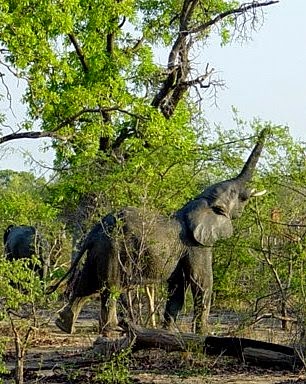
One day a young, naive mouse named Gus decided he wanted to have some fun with his neighbor on a boring sunny day. Tired of running through the halls and chasing the scent of cheese, he scurried across the lawn to Harry the elephant's rainforest home. Harry was large, even for an elephant, and wrinkles lined his face and trunk. His mind was full of knowledge and his legs sore from travel.
Thinking he was so clever, Gus squeaked at Harry, "Please come dine with me tonight, Harry. I am so terribly bored and in need of company." Harry agreed, happy to please the young mouse. They set the time for 6 p.m. and Gus scurried back home, chuckling as he went.
Promptly at 6 p.m. Harry stomped to Gus' tiny home. Gus greeted him, serving a wheel of cheese fit for three mice, but smaller than Harry's foot. Being too polite to say anything, Harry could only touch his trunk to the block of cheese, barely eating anything all night. Gus ended the night with a laugh, sharing with his friends the great tale of Harry the elephant trying to eat cheese.
Harry spent the next few days pondering how to teach Gus a lesson. Being old and wise, Harry didn't want to lose his temper and or yell at the young Gus. Using his mellow disposition, Harry devised a plan to show Gus his own treatment.
The next week Harry calmly asked Gus to dinner, promising fruits and grasses. Surprised, Gus happily agreed and went to meet Harry. When Gus arrived, Harry had prepared an elaborate meal… All high above Gus in the trees. While Harry feasted, Gus sat frustrated on the ground floor, unable to reach any of the food. Gus scurried home, hungry and ashamed for how he had treated his old friend.
Author's note. This story is based on the Aesop for Children tale "The Fox And The Stork." In the original story, the Fox invites the Stork to eat dinner serving only soup, which the Stork could not eat. Being even-tempered, the Stork didn't get angry but invited the Fox to dinner where he served fish in a tall jar that the Fox could not reach. The lesson was that one should not play tricks on your neighbors unless you can stand the same treatment yourself.
Bibliography. "The Fox And The Stork" by Aesop, from The Aesop for Children (2006). Web Source: The Aesop for Children.
One day a young, naive mouse named Gus decided he wanted to have some fun with his neighbor on a boring sunny day. Tired of running through the halls and chasing the scent of cheese, he scurried across the lawn to Harry the elephant's rainforest home. Harry was large, even for an elephant, and wrinkles lined his face and trunk. His mind was full of knowledge and his legs sore from travel.
Thinking he was so clever, Gus squeaked at Harry, "Please come dine with me tonight, Harry. I am so terribly bored and in need of company." Harry agreed, happy to please the young mouse. They set the time for 6 p.m. and Gus scurried back home, chuckling as he went.
(mouse)
Promptly at 6 p.m. Harry stomped to Gus' tiny home. Gus greeted him, serving a wheel of cheese fit for three mice, but smaller than Harry's foot. Being too polite to say anything, Harry could only touch his trunk to the block of cheese, barely eating anything all night. Gus ended the night with a laugh, sharing with his friends the great tale of Harry the elephant trying to eat cheese.
Harry spent the next few days pondering how to teach Gus a lesson. Being old and wise, Harry didn't want to lose his temper and or yell at the young Gus. Using his mellow disposition, Harry devised a plan to show Gus his own treatment.
The next week Harry calmly asked Gus to dinner, promising fruits and grasses. Surprised, Gus happily agreed and went to meet Harry. When Gus arrived, Harry had prepared an elaborate meal… All high above Gus in the trees. While Harry feasted, Gus sat frustrated on the ground floor, unable to reach any of the food. Gus scurried home, hungry and ashamed for how he had treated his old friend.
Author's note. This story is based on the Aesop for Children tale "The Fox And The Stork." In the original story, the Fox invites the Stork to eat dinner serving only soup, which the Stork could not eat. Being even-tempered, the Stork didn't get angry but invited the Fox to dinner where he served fish in a tall jar that the Fox could not reach. The lesson was that one should not play tricks on your neighbors unless you can stand the same treatment yourself.
Bibliography. "The Fox And The Stork" by Aesop, from The Aesop for Children (2006). Web Source: The Aesop for Children.
Subscribe to:
Posts (Atom)